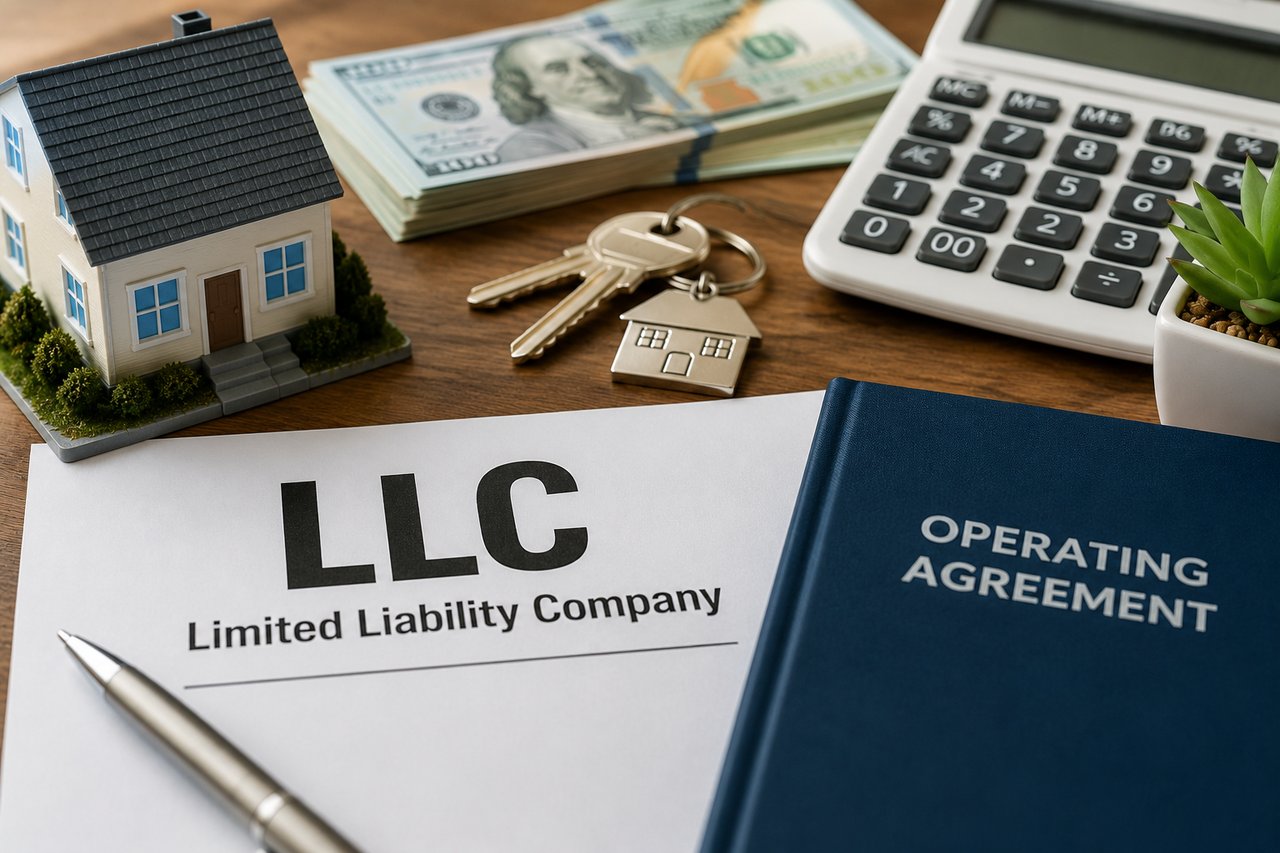
Buy a Rental Property in an LLC
Understanding the benefits, drawbacks, and timing of using an LLC for real estate investing.
By Daniel Amodeo
President of Amo Realty
Published: July 27, 2026
One of the most common questions new real estate investors ask is whether they should purchase a rental property through a limited liability company, commonly known as an LLC. While many experienced investors eventually own properties through LLCs, the decision isn't as simple as checking a box during the purchase process. The right approach depends on an investor's financial goals, financing strategy, liability concerns, and long-term plans for building a rental portfolio.
An LLC is a legal business entity that can own real estate, enter into contracts, collect rental income, and conduct business separately from its owners. One of its primary purposes is helping separate business activities from an owner's personal assets. Although an LLC does not eliminate liability or replace appropriate insurance, it can provide an additional layer of legal separation when properly established and maintained.
Many investors choose to create an LLC before purchasing their first rental property because ownership begins under the business entity from day one. Others purchase their first investment property personally and later decide to establish an LLC as their portfolio grows. There is no universal answer. Investors with multiple properties, business partners, or long-term expansion plans often find an LLC more attractive than someone purchasing a single rental property.
Creating an LLC is generally a straightforward process. Investors choose an available business name, file Articles of Organization with the appropriate state agency, pay the required filing fee, obtain an Employer Identification Number (EIN) when necessary, prepare an operating agreement, and open a dedicated business bank account. Once established, owners should keep business finances separate from personal finances and remain current on any required annual filings or state reporting obligations.
One of the biggest advantages of an LLC is organization. Rental income, expenses, repairs, maintenance, and banking activity remain separate from personal accounts, making bookkeeping cleaner and often simplifying financial management. LLCs can also make it easier to add partners, define ownership percentages, and establish formal operating procedures for investment properties. Some investors even choose to place different rental properties into separate LLCs as their portfolios expand, although the appropriate structure varies depending on each investor's circumstances.
There are also disadvantages to consider. Forming an LLC involves filing fees, ongoing annual reports in many states, and additional administrative responsibilities. Some investors may also encounter financing challenges because certain lenders have different underwriting requirements for LLC-owned properties or may require personal guarantees. These factors can affect loan options, interest rates, or closing procedures depending on the lender.
Another common question involves transferring an existing rental property into an LLC after purchase. In many cases, this is possible, but it isn't always as simple as signing a new deed. Mortgage documents, insurance policies, leases, local recording requirements, and potential tax considerations should all be reviewed before making a transfer. Some loans contain provisions that may require lender review or approval before ownership changes. Investors should seek legal and tax guidance before transferring title to ensure they understand the implications.
An LLC is an excellent tool for many real estate investors, but it isn't automatically the right choice for everyone. Investors should evaluate the costs, financing considerations, liability concerns, and long-term investment strategy before deciding how to purchase a rental property. Building the right ownership structure early can help create a stronger foundation as a real estate portfolio grows.