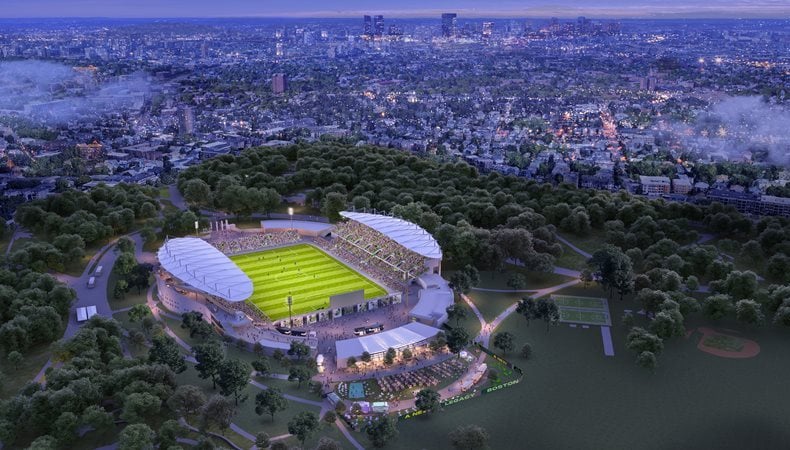
White Stadium, located in Boston's historic Franklin Park, is undergoing one of the most significant redevelopment efforts in the city's recent history. The project aims to modernize the aging facility while preserving its role as a community gathering place and athletic venue for Boston Public Schools students.
The redevelopment has generated considerable discussion among residents, community organizations, and city leaders as Boston works to balance modernization with public access and historic preservation.
The History of White Stadium
White Stadium first opened in 1949 and has served generations of Boston residents. Situated within Franklin Park, one of the crown jewels of the Emerald Necklace, the stadium has hosted countless football games, track meets, graduations, and community events over the decades.
The facility was originally designed to support public school athletics and community recreation. However, after more than seventy years of use, many portions of the stadium require substantial upgrades to meet modern standards and growing community needs.
Why Is White Stadium Being Redeveloped?
The primary goal of the redevelopment project is to create a modern athletic facility that better serves Boston Public Schools while maintaining public access for local residents.
Supporters argue that renovations will provide students with improved athletic facilities, upgraded infrastructure, and additional opportunities for year-round activities. Proposed improvements include enhanced seating, updated locker rooms, better accessibility features, and modern field conditions.
The project also seeks to ensure that Franklin Park continues to function as an important recreational destination for Boston residents.
Proposed Improvements
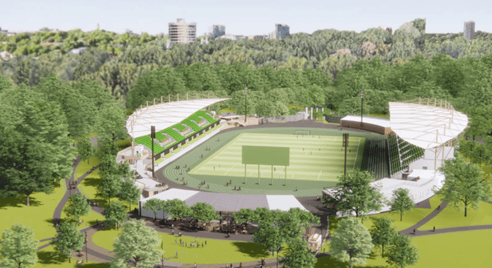
Plans for the White Stadium redevelopment include a variety of enhancements designed to modernize the venue.
Some of the proposed improvements include:
- New and renovated seating areas
- Modern locker rooms and athletic facilities
- Upgraded lighting systems
- Improved accessibility for individuals with disabilities
- Better pedestrian connections throughout Franklin Park
- Enhanced landscaping and public spaces
These improvements are intended to create a facility capable of serving both student athletes and the broader community for decades to come.
Rendering courtesy of Boston Unity Soccer Partners and the City of Boston
Community Perspectives
As with many major redevelopment projects, White Stadium has generated both support and opposition from community members.
Supporters believe the project represents a much-needed investment in public infrastructure and youth athletics. They argue that students deserve modern facilities comparable to those found in other communities throughout Massachusetts.
Others have expressed concerns regarding environmental impacts, public access, and the preservation of Franklin Park's historic character. Community meetings and public discussions have played an important role in shaping various aspects of the redevelopment plans.
The ongoing dialogue reflects the importance of White Stadium as both an athletic venue and a neighborhood institution.
Impact on Nearby Neighborhoods
The redevelopment could influence several surrounding neighborhoods, including Jamaica Plain, Roxbury, Dorchester, and Mattapan.
Potential benefits include:
- Increased community programming
- Improved recreational opportunities
- Infrastructure investments
- Greater visibility for local events
- Additional economic activity during major sporting events
Residents living near Franklin Park will likely continue to follow the project closely as construction and planning move forward.
Franklin Park and Public Access
Franklin Park remains one of Boston's most significant public spaces. Designed by Frederick Law Olmsted, the park serves thousands of residents each year and provides extensive recreational opportunities.
Maintaining public access has been a central topic throughout discussions regarding the White Stadium project. City officials have emphasized the importance of preserving community use while modernizing the athletic facilities.
Future plans aim to balance educational, recreational, and environmental priorities as redevelopment continues.
Looking Ahead
The White Stadium redevelopment represents an important investment in Boston's public infrastructure and youth athletics. While opinions on specific aspects of the project may differ, the long-term goal remains creating a modern facility that benefits students and local communities alike.
As plans continue to evolve, White Stadium is likely to remain a significant topic within Boston's broader discussions about development, historic preservation, and public space improvements.
For residents interested in Boston real estate and neighborhood growth, projects like White Stadium provide insight into how investments in public infrastructure can shape communities for future generations.