The $99,000 Manhattan Co-op: What Carnegie House Taught Us About Buying a Co-op in NYC
Published By Daniel Amodeo, President of Amo Realty
August 10th 2026
For years, one New York City co-op generated some of the most memorable buyer calls we received at Amo Realty.
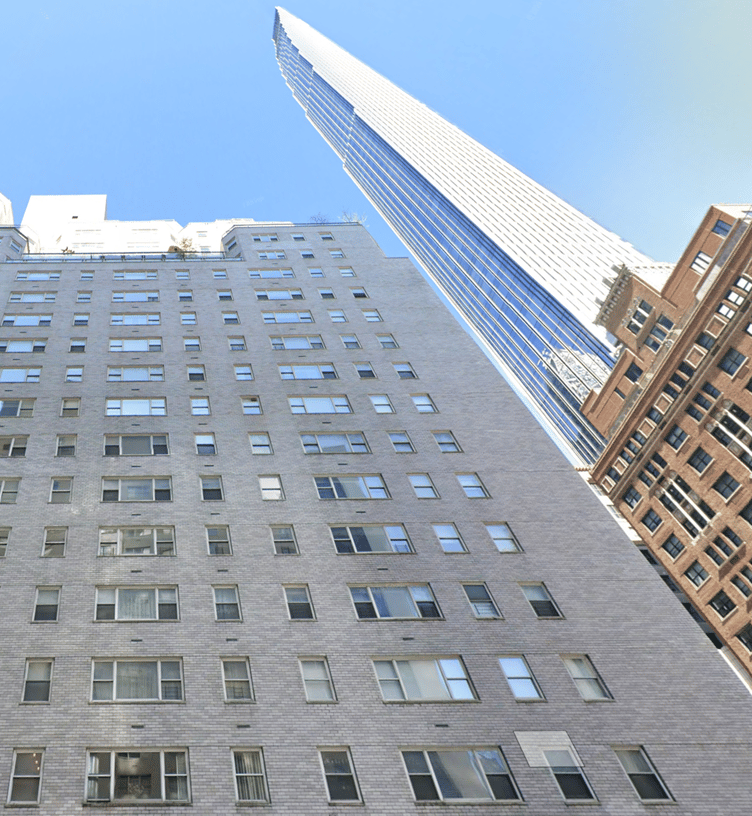
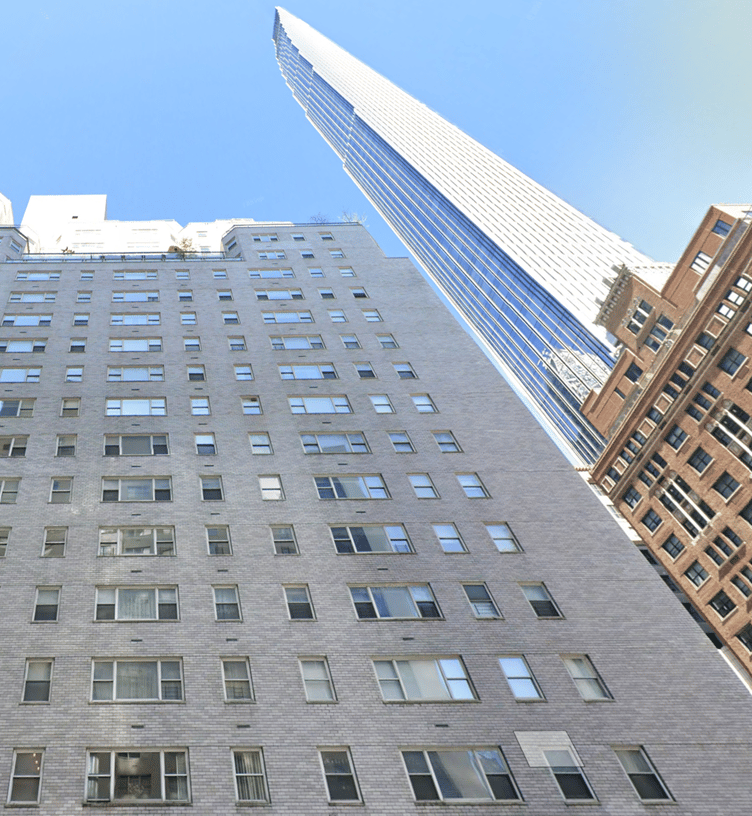
It was Carnegie House at 100 West 57th Street in Manhattan.
The location alone made the listings almost impossible to believe. Carnegie House sits at West 57th Street and Sixth Avenue, in the heart of what is now known as Billionaires’ Row. This is an area where some nearby apartments sell for tens of millions of dollars.
Yet buyers searching online could find apartments at Carnegie House listed for prices that seemed completely disconnected from the neighborhood around them.
At times, we would see co-ops advertised for around $99,000.
Our phones would ring practically every day.
Buyers would call after finding one of these apartments online and doing the math. They would look at the purchase price, plug the numbers into Zillow or another mortgage calculator, add the monthly maintenance, and conclude that they might be able to own an apartment in Manhattan for somewhere around $3,000 per month.
Naturally, they wanted to know what the catch was.
We also saw larger apartments attract enormous attention. I remember a three-bedroom offered in roughly the $300,000 range that generated calls from buyers around the world.
For someone unfamiliar with the complexities of New York City co-ops, it looked like one of the greatest real estate bargains in Manhattan.
But the extraordinarily low purchase prices weren't the whole story.
The Building Owned the Building, Not the Land
The issue buyers needed to understand was underneath Carnegie House, literally.
Carnegie House is a land-lease co-op.
Unlike a typical co-op where the cooperative corporation owns the building and the underlying land, Carnegie House sits on land owned by a separate landlord. The cooperative leases that land.
The ground lease dates back to 1959.
Under the lease structure, Carnegie House faced a critical ground-rent reset in 2025. The lease provided renewal periods of 21 years, with the rent during a renewal calculated using a formula tied to 8.1667% of the fair market value of the underlying land, considered vacant and unimproved.
That last part is incredibly important.
Imagine valuing a parcel of land at West 57th Street and Sixth Avenue as though the existing building wasn't there.
When the original agreement was created, nobody could have fully anticipated what would eventually happen immediately around Carnegie House.
Decades later, West 57th Street had become Billionaires’ Row, surrounded by some of the most expensive residential real estate ever constructed.
Suddenly, the value of the dirt underneath this relatively modest co-op building became enormously important.
A $4 Million Expense Could Become a $24 Million Expense
Before the reset, Carnegie House's annual ground rent had reached approximately $4.36 million.
The lease formula created the possibility of a dramatically higher payment when the new period began.
Ultimately, the feared increase became very real. The new annual ground rent was determined at approximately $24 million, representing an increase of roughly 450%.
Think about what that means from the perspective of an individual apartment owner.
The shareholders didn't suddenly receive bigger apartments.
The building didn't suddenly add luxury amenities.
Their apartments didn't move to a different street.
The land underneath the building simply became vastly more valuable, and the economics of the ground lease caught up with that value.
That is the hidden variable that someone looking at a $99,000 listing online could easily miss.
Why We Had to Explain the Same Thing Over and Over
This is why our agents found ourselves having essentially the same conversation with prospective buyers again and again.
Someone would call excited about finding a Manhattan apartment for $99,000.
They had already calculated the mortgage.
They had looked at the maintenance.
They had compared the monthly expense with their rent.
On paper, they thought they had discovered an incredible opportunity to own a piece of Manhattan for less than the price of homes in many suburbs.
Then we would start talking about the land lease.
For some buyers, that was the first time they had ever heard the term.
The conversation would change immediately.
Instead of simply asking, “Can I afford this apartment?” the buyer needed to ask a much bigger question:
“What exactly am I buying into?”
That is one of the most important questions anyone purchasing a New York City co-op can ask.
Cheap Doesn't Necessarily Mean Undervalued
There is an important distinction in real estate between something being inexpensive and something being undervalued.
An apartment can have a very low asking price for a perfectly rational reason.
Sometimes the market is pricing in a risk that isn't immediately obvious from the listing.
That could be a ground lease.
It could be an upcoming assessment.
It could be significant underlying mortgage debt.
It could be inadequate reserves.
It could be major building repairs.
It could be unusually high maintenance charges.
Or it could be restrictions that make the apartment difficult to finance, renovate, sublet or eventually resell.
The $99,000 Carnegie House listings were a dramatic example because of the location. When you see an apartment on Billionaires’ Row selling for a fraction of what you would expect an apartment in that location to cost, the first question shouldn't be, “How quickly can I make an offer?”
It should be, “Why is it this cheap?”
This Doesn't Mean Co-ops Are Bad Investments
Carnegie House is an unusual situation, and buyers shouldn't walk away thinking every New York City co-op carries this type of risk.
Quite the opposite.
We sell a lot of co-ops in New York City, and they can offer tremendous value.
A buyer can often purchase considerably more space in a co-op than they could get for the same money in a comparable condominium. For someone planning to live in the apartment for years, a financially healthy and well-managed co-op can be an excellent way to own real estate in New York.
But buyers have to understand that when they purchase a co-op, they aren't evaluating only the apartment.
They're evaluating the entire cooperative.
The financial health of the building can ultimately be almost as important as the condition and price of the apartment itself.
Due Diligence Is Everything
If there is one lesson buyers should take from Carnegie House, it's the importance of due diligence.
A buyer considering a co-op should work with a real estate agent who has meaningful experience with New York City co-ops. The buyer should also have an experienced New York real estate attorney review the building's documents and financial condition.
Depending on the property, that can mean examining financial statements, the building's underlying mortgage, reserves, maintenance history, assessments, board minutes, insurance, pending litigation and, when applicable, the terms of a ground lease.
You want to understand not only what the apartment costs today, but what financial obligations could affect you five, ten or twenty years from now.
No online mortgage calculator can do that analysis for you.
So, Is a NYC Co-op Worth It?
Absolutely, it can be.
But “Is it worth it?” can't be answered by looking at the asking price alone.
The better question is whether the price you're paying properly reflects the apartment, the building's finances, its restrictions, its future obligations and the risks you're assuming.
Sometimes an inexpensive co-op really is an extraordinary opportunity.
Other times, the market is trying to tell you something.
I'll always remember the phone calls about Carnegie House because they illustrate that distinction better than almost anything else I've encountered selling New York City real estate.
People from New York, across the country and even around the world would find these listings and call us thinking they had discovered an incredible loophole: a $99,000 apartment in Manhattan.
Our job wasn't simply to sell them the apartment.
Our job was to make sure they understood why it was $99,000 in the first place.
And in New York City real estate, that question can be worth far more than the asking price.


