Executive Order 14394: Could It Make Manufactured Housing More Accessible?
Executive Order 14394 aims to reduce regulatory barriers that increase housing costs, including restrictions affecting manufactured housing. While the order could expand affordable homeownership opportunities, its long-term impact will ultimately depend on how federal, state, and local governments put those changes into practice.
By Daniel Amodeo
President of Amo Realty
Published: July 28, 2026
Housing affordability remains one of the biggest challenges facing buyers across the United States. Executive Order 14394, titled "Removing Regulatory Barriers to Affordable Home Construction," seeks to address part of that problem by directing federal agencies to identify regulations that unnecessarily increase housing costs and slow residential development. Among its objectives is encouraging a fresh look at policies affecting manufactured housing and other lower-cost housing options.
While the executive order has generated significant discussion throughout the housing industry, its real-world impact will ultimately depend on how these policy changes are implemented over time.
Manufactured Housing Could Become More Competitive
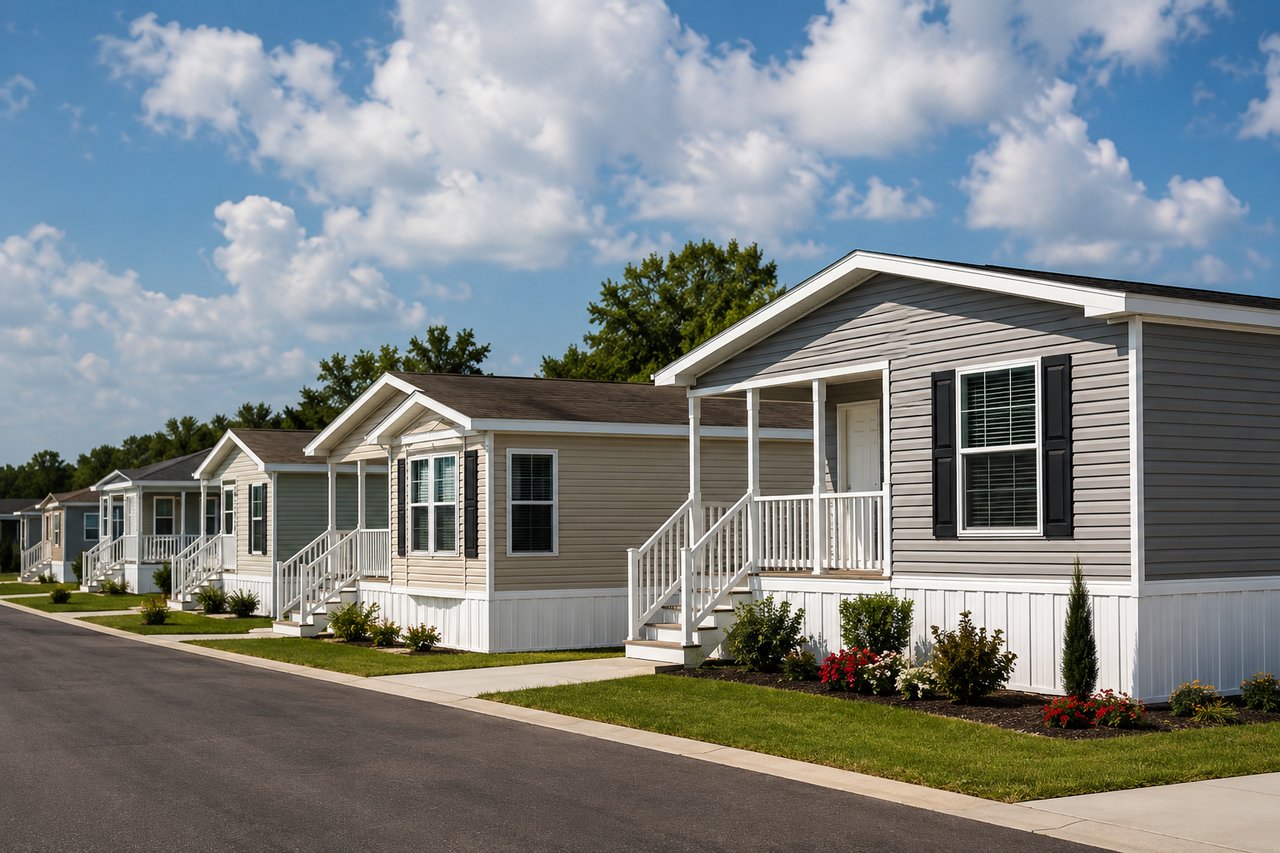
Manufactured homes already provide one of the most affordable paths to homeownership for many Americans.
If unnecessary regulatory barriers are reduced, builders may find it easier to develop manufactured housing communities, and buyers could see more affordable options in markets where inventory has remained limited.
However, expanding manufactured housing has always involved much more than simply building additional homes.
Local Zoning Will Still Matter
One of the largest challenges facing manufactured housing is local zoning.
Many municipalities continue to limit where manufactured homes can be placed through zoning ordinances, minimum lot sizes, neighborhood regulations, and land-use restrictions.
Even if Executive Order 14394 encourages federal agencies to remove certain barriers, local governments will continue playing a major role in determining where manufactured housing can realistically expand.
Affordability Is About More Than the Home
Manufactured homes often cost significantly less than comparable site-built homes, but buyers should evaluate the complete cost of ownership.
Land acquisition, utilities, insurance, financing, transportation, lot rent (when applicable), and long-term maintenance all influence affordability.
The purchase price is only one piece of the financial picture.
Financing Remains an Important Piece
Financing options for manufactured housing can differ depending on whether the home is permanently attached to owned land or located within a manufactured housing community.
If Executive Order 14394 ultimately leads to expanded financing opportunities or fewer regulatory obstacles, manufactured housing could become even more attractive to first-time buyers and households seeking lower monthly housing costs.
A Positive Step—But Not a Complete Solution
Executive Order 14394 recognizes that unnecessary regulations can contribute to higher housing costs and identifies manufactured housing as one potential way to improve affordability.
That said, solving America's housing shortage will require more than federal policy alone.
Increasing housing supply will also depend on local zoning reform, infrastructure investment, financing availability, and continued residential development across multiple housing types.
Manufactured housing can absolutely be part of the solution—but it is unlikely to solve the affordability crisis by itself.
Final Thoughts
Executive Order 14394 represents a meaningful effort to reduce regulatory barriers that may be limiting affordable housing development, including manufactured housing.
If federal initiatives are complemented by state and local reforms, manufactured housing could become a more accessible option for buyers seeking an affordable path to homeownership. Ultimately, expanding housing supply and reducing unnecessary barriers at every level of government will be key to improving affordability nationwide.